
Turns out, they’re gheyas, or, in English, pigeon coops, aka dovecotes aka pigeon nests or pigeon towers, where pigeons are raised in Egypt, for food, sport, and originally, as messengers. (According to NPR, a pigeon “…delivered the results of the first Olympics in 776 B.C., and a pigeon first brought news of Napoleon’s defeat at Waterloo more than 2,500 years later.”)
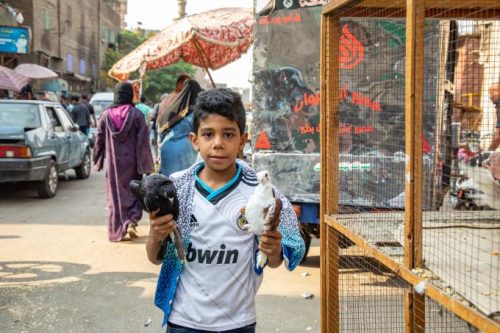
I saw just a few of the thousands of gheyas that dot the roofs Cairo and throughout the country. Here many Cairo residents dedicate themselves to pigeon breeding, a widespread passion which for some is also an important source of income.
Pigeon Racing
Pigeon racing, for example, is a widely practiced sport: on the rooftops of Cairo, many both young and old spend entire afternoons training their squadrons of pigeons with large flags acting as a call to the roost.
The most common type of race seems to be the long-distance speed race. This involves the flocks being released in distant cities with an encrypted message, contained in a package attached to the leg, which is communicated by the farmers to the jury as evidence of their flight as soon as the birds reach the base. There is one legendary competition takes place annually between Cairo and Aswan, almost more than 400 miles in total.
Ancient Roots
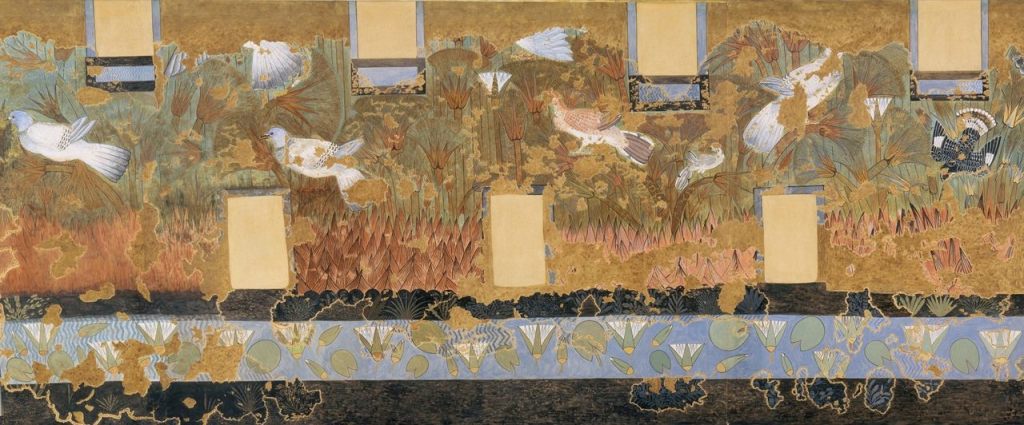
According to historians, the Egyptians’ love for pigeons is so ancient that even hieroglyphs testify to their widespread presence and the custom of offering them as sacrifices on the occasion of rites or funerals, while in the era of the Fatimid rulers (X-XII century AD) the use of birds as messengers and pets is documented.
And according to AtlasObscura, Egyptian pharaoh Akhenaten wasn’t content to take over Thebes, the splendid capital his father ruled before him. For his reign, only a city dedicated to the sun god would do. When Akhenaten decided to (quickly) build Amarna, his city 250 miles to the north of Thebes in about 1,400 BCE he filled his new Northern Palace with (unusually for the time) realistically natural paintings of birds, many of them pigeons.
Pigeon breeding is a tradition found not only in the cities but also in the countryside: in the villages of the Nile delta or further south along the river, and in the enormous agricultural area of beautiful and ancient Fayoum, it is not uncommon to notice flocks of these birds crowding around certain high constructions, as well.
What is the origin of stuffed pigeons?
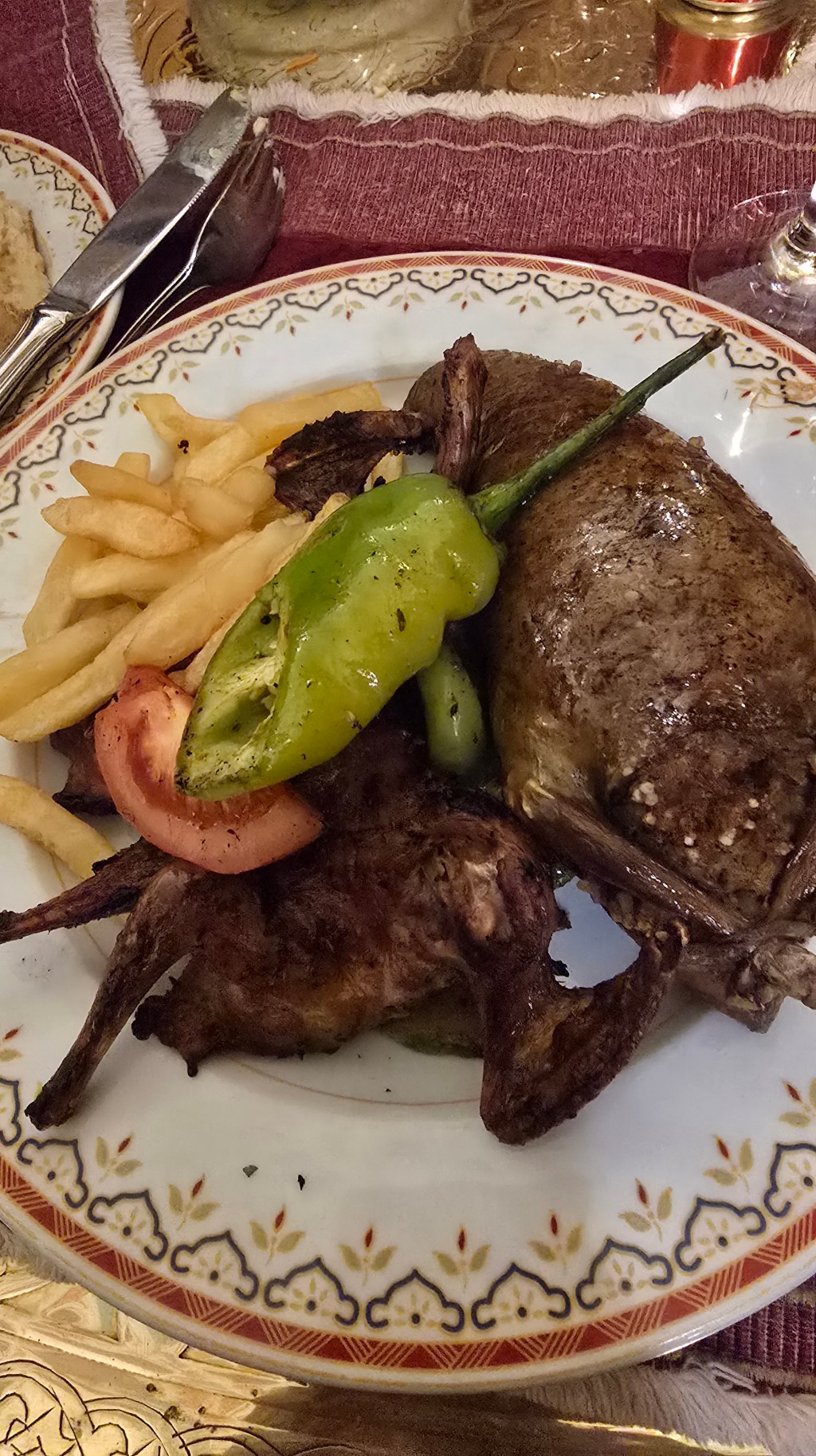
Hamam Mahshi (stuffed pigeons) can be traced back to the time of the Pharaohs, when pigeons were considered a delicacy and were often prepared for feasts and special occasions. Today, Hamam Mahshi remains a beloved and iconic dish of Egyptian cuisine, and is enjoyed by locals and visitors alike.
Although pigeon is usually only offered at higher end restaurants in the U.S.(so you may not see it on menus), in most parts of the world young pigeons (squab) are highly prized for their moist, dark, flavorful taste.
And these are NOT your typical birds caught while flying around the city, these are birds specially bred for food.
Here’s how it’s typically cooked:
- Selecting the pigeons: Young, plump squabs (around six weeks old) are chosen for their tenderness.
- Preparation: The pigeons are cleaned thoroughly, often soaked in salt and flour.
- Stuffing: A flavorful stuffing is prepared, usually consisting of rice or freekeh (toasted, cracked bulgar or young green wheat), onions, chopped giblets, and aromatic spices like cinnamon, cumin, pepper, and nuts.
- Cooking: The stuffed pigeons are traditionally cooked first, often by simmering them in a seasoned broth with ingredients like bay leaves and cardamom.
- Finishing: After cooking, the pigeons are often fried in ghee (clarified butter) or oil until their skin turns crispy and golden brown.
- Serving: Hamam Mahshi is typically served whole, often with a side of rice, salad, bread, or french fries.
I had Hamam Mahshi at the super popular Khan El Khalili Restaurant & Naguib Mahfouz Café, you can read about it here. It was served along with grilled pigeon (also good, but very little meat and not as tasty as the stuffed pigeon) and was Absolutely Delicious.
Hamam Mahshi holds cultural significance in Egypt, often prepared for festive occasions and family gatherings. It’s viewed as a symbol of hospitality and generosity due to the time and effort involved in its preparation.
 ExploreEgypt
Leave a comment