
The Valley of the Kings, in Luxor, is such an immense, ancient, historic place, that to cover any part of it in less than 5,000 words is pretty hard so I’m not even going to try.
So, this is an overview of this spectacular necropolis and contains a few thoughts and tips for visiting.
The Valley of the Kings, also known as the Valley of the Gates of the Kings, is an area in Egypt where, for a period of nearly 500 years from the Eighteenth Dynasty to the Twentieth Dynasty, rock-cut tombs were excavated for pharaohs, powerful nobles, and their consorts and family members under the New Kingdom (approximately 1150 to 1070 BCE) of ancient Egypt.
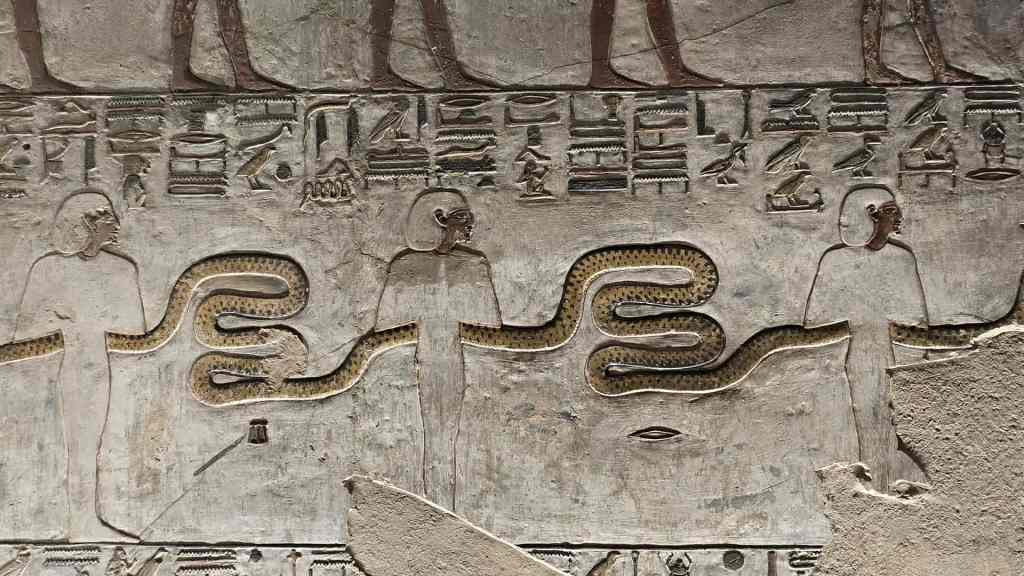
These tombs were built as the final resting place and to serve as passage to the afterlife. They’re well-known for their richly decorated tombs, with intricate wall painting and hieroglyphs often unfaded even today, and for the artefacts and treasures often found in some of them.
There is wonderful information, details, and descriptions of some of the major tombs at the Ministry of Antiquities site, here.
Relocating tombs
In some cases, tombs were moved from other areas to the Valley of the Kings, usually to ensure their safety from tomb robbers. (More to come on this.)
Some examples of moved burials include:
- Thutmose III: He was originally entombed in KV38 before being moved to a different location.
- Various royal mummies: Many mummies were moved from their original tombs in the Valley of the Kings to a secret cache to prevent looting.
- Ramesses II: His mummy was eventually moved to the Valley of the Kings and then later relocated to a museum in Cairo.
- Akhenaten: Father to future Pharaoh Tutankhamun, this “controversial” pharaoh’s tomb was moved from the capital he founded Akhetaten (later Amarna) for safekeeping.
There are currently 63 tombs which can be visited on a rotational basis. My favorite tombs (visited twice on two different trips included):
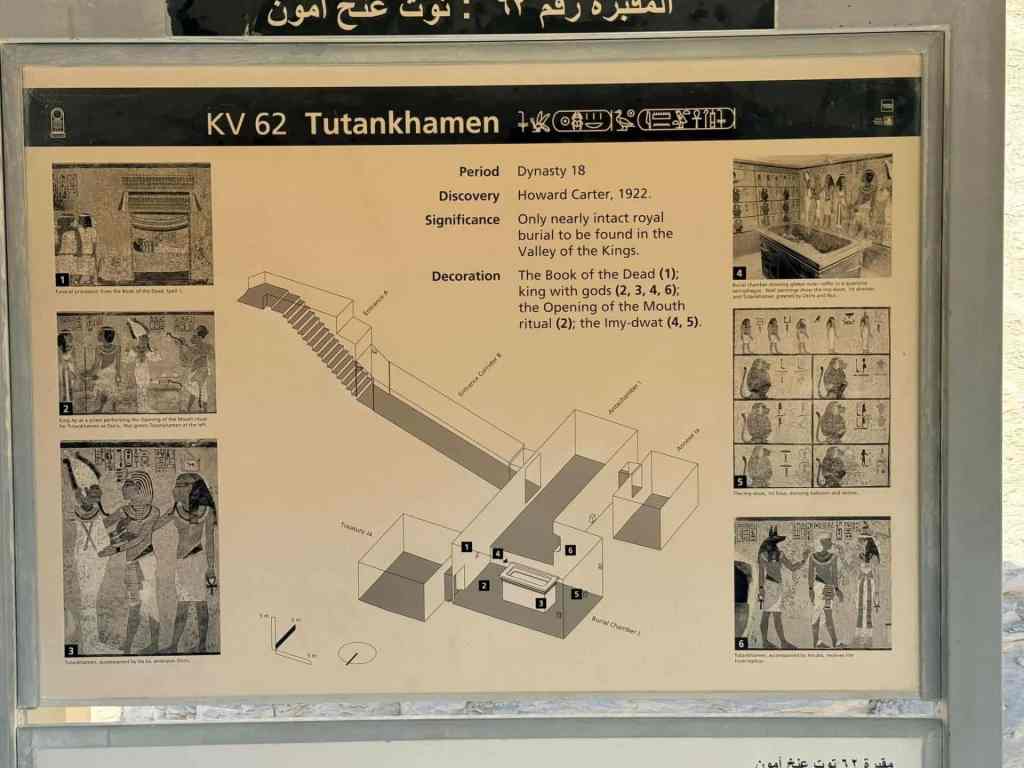
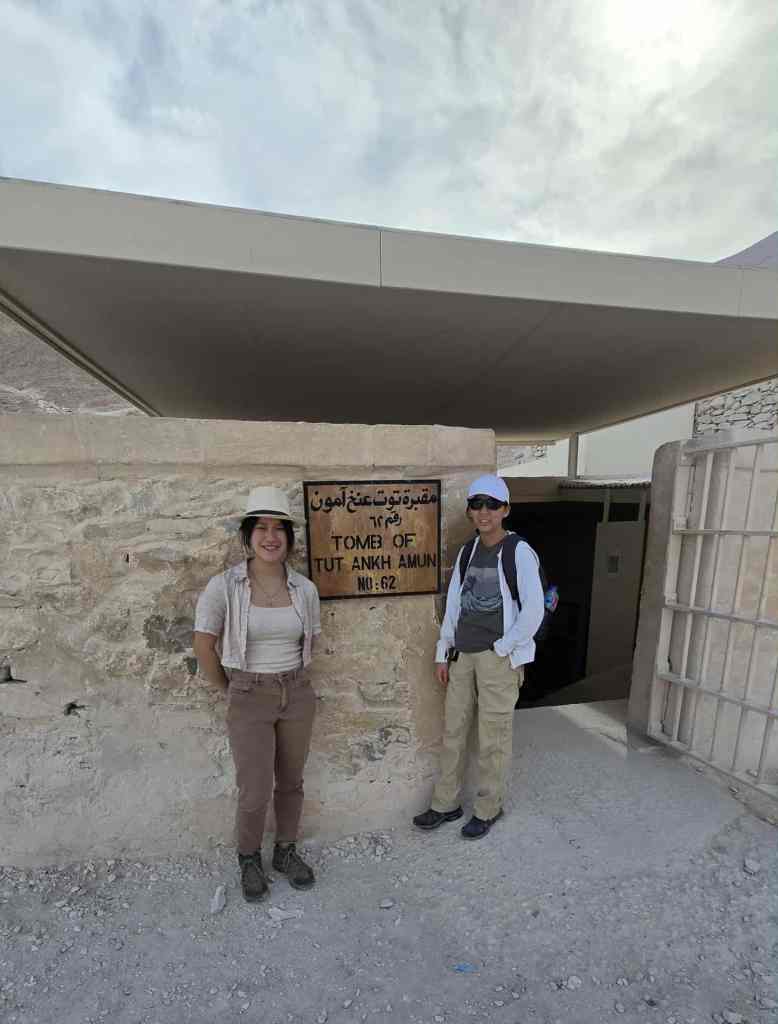
Tomb of Tutankhamun (KV62): of course, King Tut is the most iconic of all the pharaohs you’ve probably heard about, but for me visiting his tomb was bittersweet, he was so young when he died, and it seemed highly personal to be viewing the mummy of a pharaoh who likely thought he’d be privately buried forever.
Tomb of Seti I (KV17): this is an immense tomb, requiring a separate ticket (about three times the cost of the Valley of the Kings’ entrance fee), but is entirely worth it. You’ll walk down two sets of steep stairs/wooden slats, through 13 rooms and corridors, filled with stencils, painting, atmospheric lighting, and the gold burial chamber. I’ve heard it’s usually uncrowded, due to it’s slightly more difficult access and its price.
Ramesses IX (KV6): I loved this beautiful tomb. (Similar to the tomb of Ramesses IV) you walk down a long, intricately decorated passageway to the tomb. Along the way, you will see the Book of the Dead. The walls are protected with glass.
My other favs:
There are also many tombs to see at both the Valley of the Queens (Neferatari’s tomb, which we visited but which is now closed to the public) and Saqqara (the tomb of King Unas, with its granite sarcophagus and pyramid texts, was one of the first I’d seen and still one of my favorites).
Tips for visiting – you’ll want to see them all but:
- Pick 3-5 max, your brain will get fuzzy if you try to see too many
- Take a picture of the outer signage of the tomb before you take photos of it so you can remember which tomb you were visiting
- Wear visible headphones – you can keep them on when you simply want to ignore the rest of the visitors (and tomb guards, who will talk to you and try to help you see other rooms, take photos, for a tip – give them tips anyway but after you’ve seen what you want to, in peace)
 ExploreEgypt
Leave a comment