
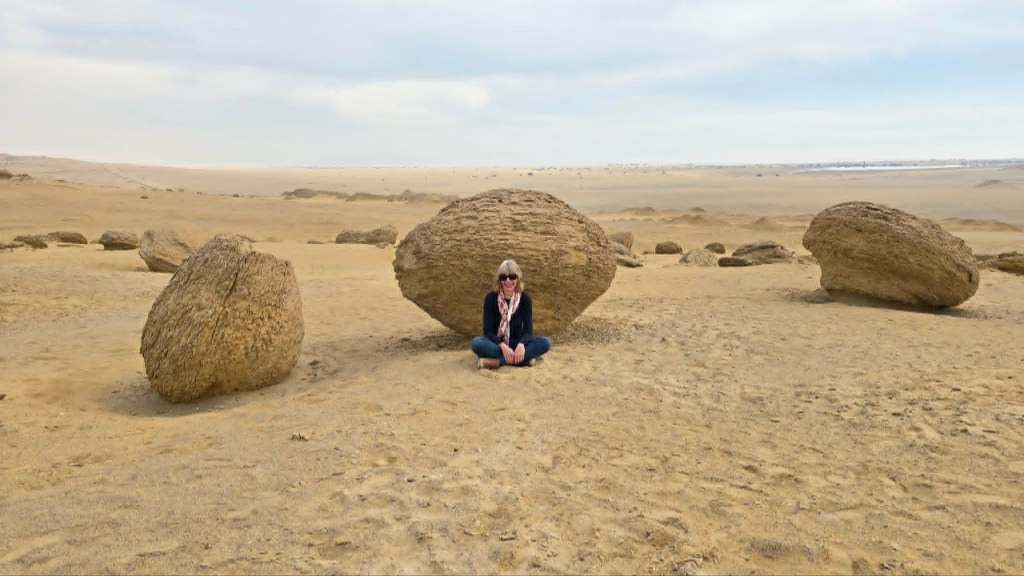
Just beyond the energy of Cairo, Fayoum opens like a soul’s whisper written across the desert.
Here, Egypt feels softer, slower, and deeply alive – a place where palm trees bend toward the water, dunes rise like waves, and the wind carries stories older than memory.
Fayoum is not simply a destination. It is a feeling. It is the stillness of sunrise over Lake Qarun, the golden light moving across the sand, and the sense that every path leads somewhere timeless. In this remarkable oasis, fertile fields meet the vast Western Desert, creating a landscape that feels both grounded and otherworldly.
For travelers seeking beauty, reflection, and a more soulful side of Egypt, Fayoum offers a journey into nature’s quiet mysteries. From the 40-million year old whale fossils at Wadi El-Hitan to the shimmering waters of Magic Lake, the region invites visitors not only to see Egypt, but to pause and truly feel it.
The Soul of Fayoum
Fayoum has long been a place of water, life, and renewal. Its green farmlands, palm groves, lakes, and villages create a striking contrast against the open desert beyond. Less than a two-hour drive from Cairo, the oasis has been shaped by the Nile’s waters and by centuries of people who have cultivated, created, and found meaning in this extraordinary landscape.
There is something deeply calming about Fayoum. The rhythm of daily life seems to slow down here. Farmers tend the land, birds circle above the water, pottery makers shape clay with practiced hands, and the desert waits patiently beyond the villages. In places like Tunis Village, visitors can step away from the noise of modern life and reconnect with simpler pleasures: warm bread, handmade art, quiet gardens, and sunsets that seem to last forever.
Fayoum is ideal for travelers who wish to experience Egypt with intention. It is a place for unhurried mornings, scenic drives, meaningful conversations, and moments of silence. Whether enjoying a private desert safari, sitting beside the lake, or watching the stars appear one by one, the region offers space to breathe.
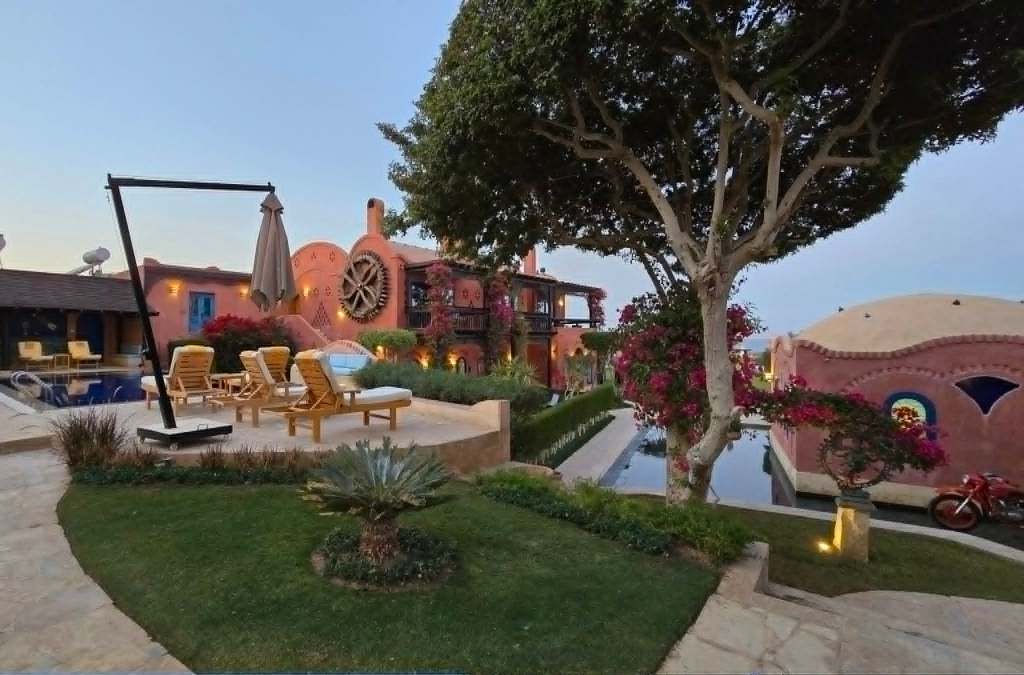
(We were fortunate to have stayed two nights at Fayoum’s incredible La Zib hotel, a whimsical, wonderful place, spectacular food and dark skies, located right in the heart of the town of Tunis, Fayoum, pictured above.)
Wadi El-Hitan: Whispers From an Ancient Sea
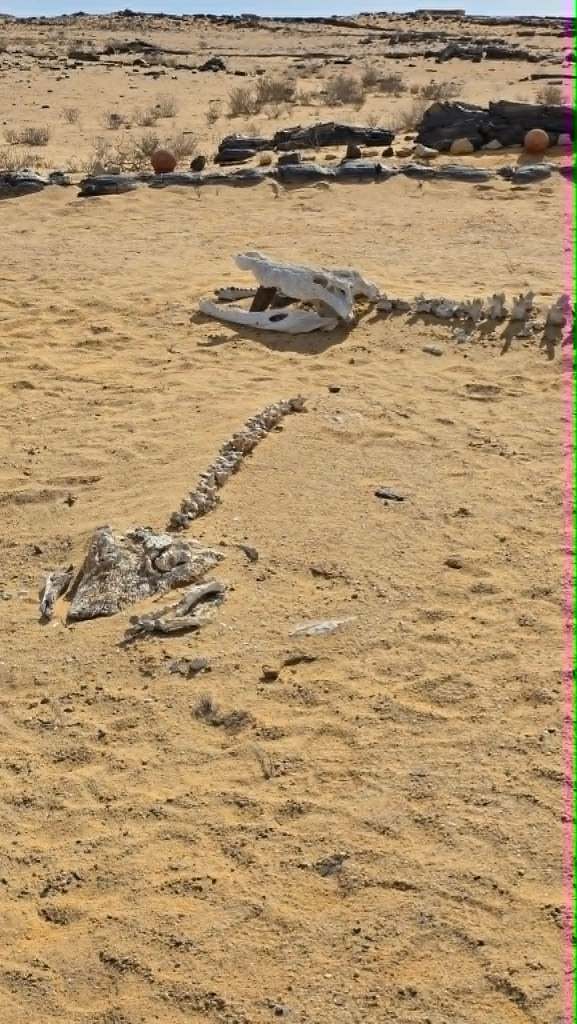
At the heart of Fayoum’s desert landscape lies Wadi El-Hitan, the Valley of the Whales. This is one of the most extraordinary places in Egypt – a valley where the remains of ancient whales rest beneath the desert sky, reminding visitors that the land beneath their feet was once covered by a vast prehistoric sea.
Wadi El-Hitan is a UNESCO World Heritage Site, recognized for its exceptional fossils of early whales and the remarkable insight they provide into the evolution of whales from land mammals to ocean-dwelling creatures. The fossils, many millions of years old, lie exposed in the sand and stone, creating an open-air museum unlike any other in the world.
Walking through the valley feels like moving through a sacred archive of the Earth. The silence is immense. The desert stretches in every direction, and the fossilized skeletons seem to hold a quiet message about time, transformation, and the enduring power of nature.
There is a spiritual quality to Wadi El-Hitan, not because of monuments or temples, but because it inspires humility. It reminds us that the world has existed long before us and will continue long after us. In the presence of these ancient remains, the worries of everyday life become smaller, and the vast beauty of creation becomes impossible to ignore.
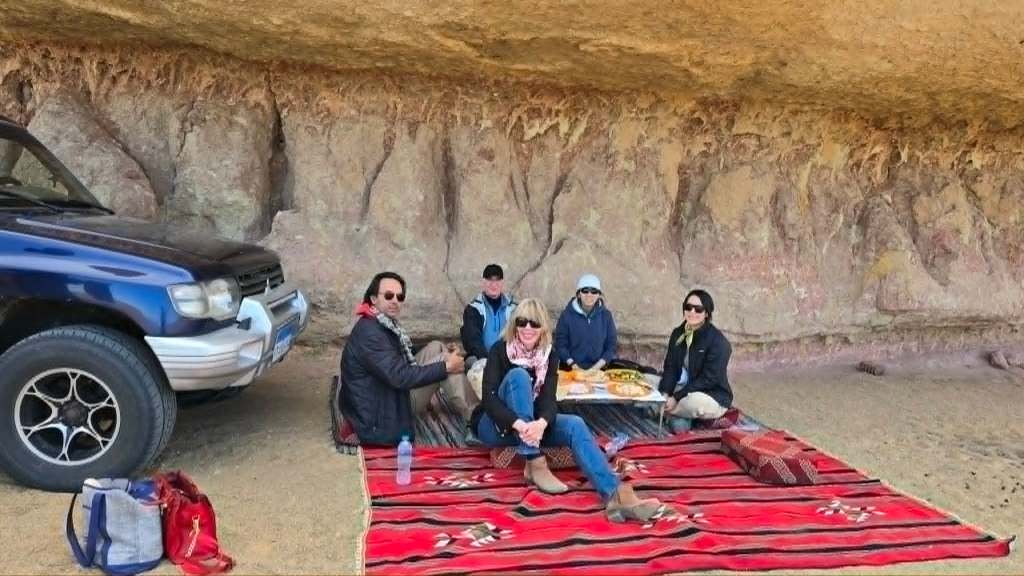
A visit here is best experienced slowly, with a knowledgeable guide and a sense of reverence for the protected landscape. It is a place to walk softly, listen carefully, and allow the desert to speak in its own ancient language.
Magic Lake: A Mirror in the Desert
Near Wadi El-Rayan, surrounded by dunes and rugged desert formations, lies Magic Lake – a peaceful body of water that seems to appear like a vision in the middle of the sand. Its blue-green surface reflects the wide Egyptian sky, while the golden desert rises around it in quiet contrast.
Magic Lake is part of the Wadi El-Rayan area, a landscape of lakes, waterfalls, dunes, and desert wildlife. The lake formed in the late 1990s within the Wadi El-Rayan depression, which receives agricultural drainage water from Fayoum. Yet beyond its scientific story, the lake has an emotional pull that is easy to understand.
This is a perfect place to pause. Sit quietly by the water, enjoy a simple picnic, take photographs, or watch the sunset in silence. For many travelers, Magic Lake becomes one of those rare moments in a journey when there is no need to rush, explain, or do anything at all.
Heading Through the Desert in a 4×4
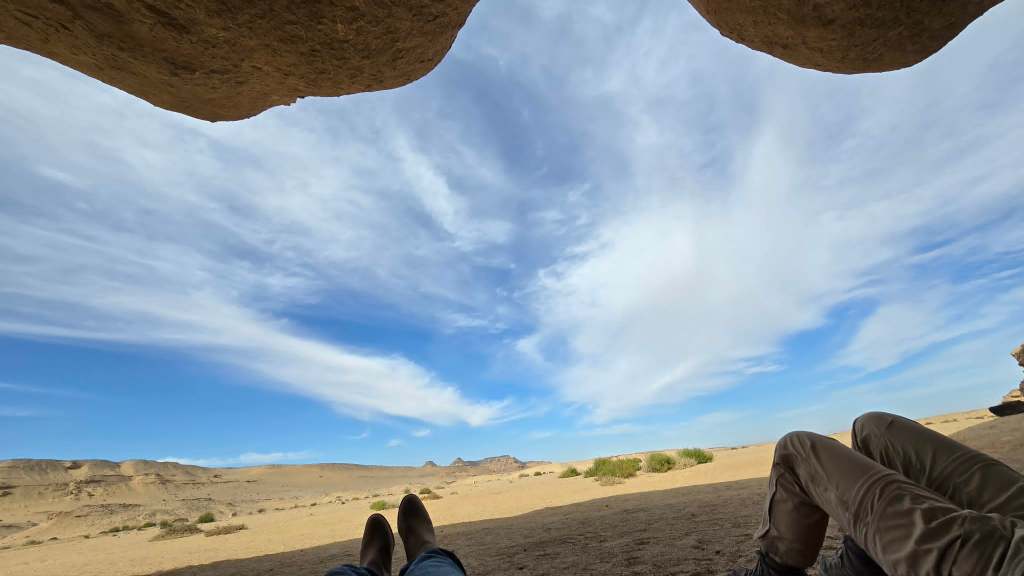
No trip to Fayoum is complete without a trip into the desert in a 4×4 – with an experienced driver flying up, over, and around sand dunes in this incredible part of the Western Desert. Once you stop, you may be surprised at the height of where you landed – hopefully you’re ready to try sandboarding down the dunes (or just watch others try it!)
Watermelon Valley
Fayoum’s desert is filled with surprises, and Watermelon Valley, or Wadi El-Battikh, is one of its most unusual. Scattered across the valley are rounded rock formations that resemble enormous watermelons resting in the sand. Their natural shapes, formed over time by geology and erosion, give the landscape a sense of wonder and playfulness.
The valley feels almost like a desert dream. Smooth rounded stones sit across the open ground, each one shaped by forces far older than human history. Their colors shift with the light—soft beige, dusty rose, warm brown, and pale gold—making the area especially beautiful for photography.
But Watermelon Valley is more than a scenic stop. It is a reminder that nature has its own imagination. In a land often associated with ancient temples and grand monuments, these humble rock formations reveal another kind of beauty: simple, strange, and completely unplanned.


Leave a Reply