
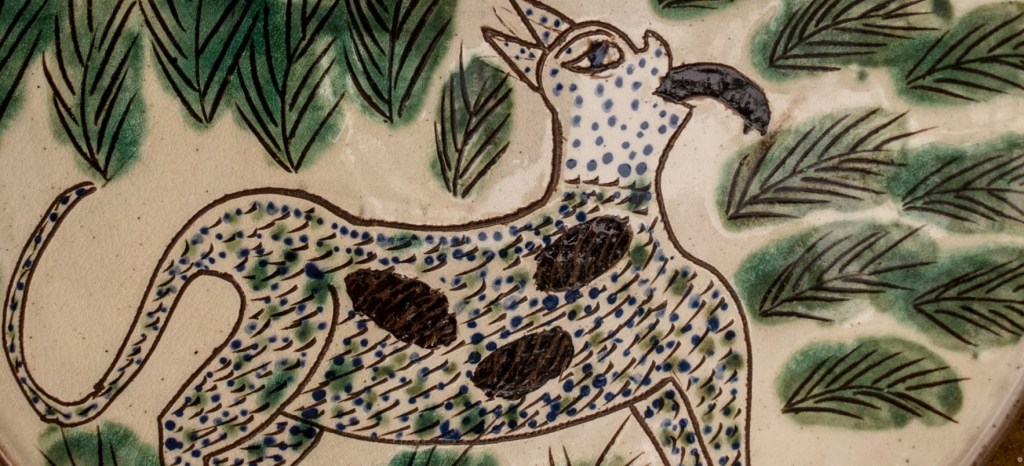
This is a story about how an oasis village in Egypt was transformed by the courage and generosity of a woman and her gift of pottery making.
In Tunis village, overlooking Lake Qarun in Egypt’s Fayoum oasis, pottery became more than an art form. It became a livelihood, a source of independence, and a reason for travelers to discover a once overlooked farming community.
Behind that transformation stood Evelyne Porret, a Swiss ceramic artist whose belief in children’s creativity helped shape the village’s future.
A Swiss Artist with Egyptian Roots
Porret trained in pottery in Switzerland before studying in Egypt with ceramicist Saeed El-Sadr. She also worked at Wissa Wassef’s pottery and tapestry center in Garagous. Her background brought together European training and Egyptian craftsmanship, influences that would enrich both her own ceramics and her teaching.
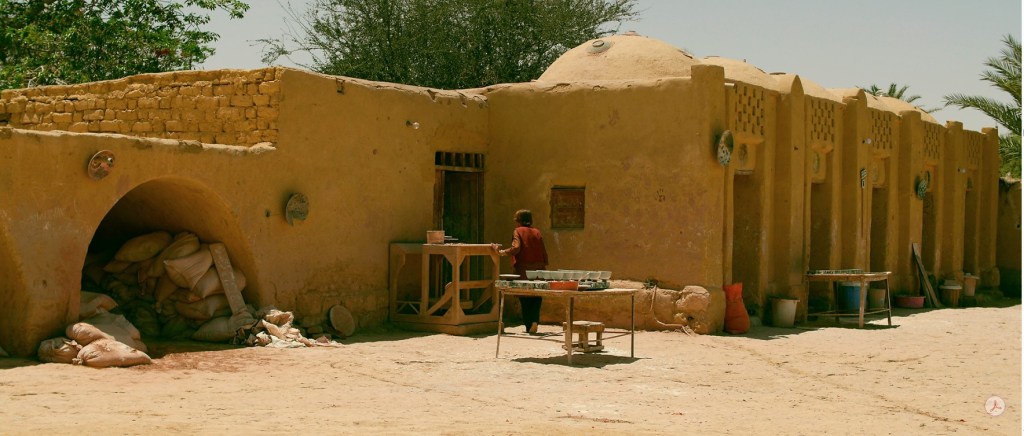
With her partner, fellow Swiss potter Michel Pastore, she built a home and studio in Tunis using local materials and craftsmen. Village life revolved around farming and fishing, and establishing their workshop required persistence: the settlement initially lacked electricity and running water.
The inspiration for her school came from watching children fashion animals, toys, and miniature tractors from mud. Rather than seeing idle play, she recognized artistic potential. In 1989, she founded the Fayoum Pottery School, offering children the skills to turn that imagination into something lasting.
When Pottery Seemed Like Wasted Time
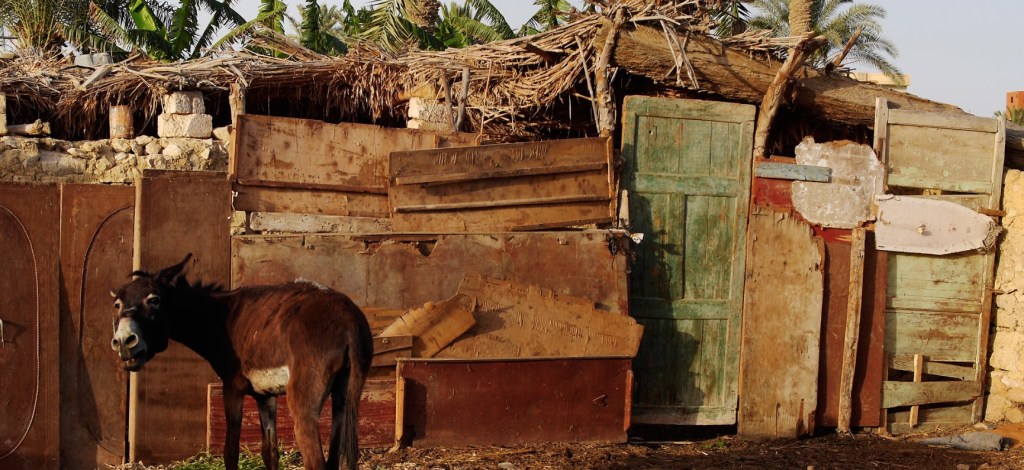
Not everyone welcomed her idea. Many children worked in the fields or tended livestock, contributing directly to household income. Although lessons were free, parents saw attendance as lost labor and lost earnings. To them, pottery could seem like a waste of time rather than a promising profession.
Resistance became serious enough that parents sent Porret a letter threatening imprisonment. She and Pastore responded practically, paying children so their families could afford to let them attend. Flexible attendance also accommodated agricultural responsibilities. The school had to understand village economics before it could change them.
Officials sometimes created obstacles, too. Requests for equipment met suspicion, and Porret’s position as a foreign woman teaching village girls challenged expectations. Her determination gradually helped overcome those barriers.
A First Student Who Opened Doors
One of the school’s earliest pupils, and its first female student, was Rawya Abdel Qader. Porret supported her continued education, helping her avoid an abusive father, marriage at twelve and later travel to France with her ceramics. Rawya became the first woman in Tunis to own and run a pottery business.
Her success widened possibilities for others. Former female students opened workshops, including Rawya’s daughter. What began as one girl’s opportunity became a path toward women’s economic independence.
A Legacy Made by Many Hands
Porret encouraged individual expression: birds, buffaloes, fish, flowers, and village scenes appeared in students’ work. She and Pastore helped promote and sell their ceramics in Cairo and abroad, while experienced pupils taught younger children.
Former students eventually established businesses, creating jobs and attracting visitors. When Porret died in 2021, Tunis mourned a beloved mentor. Her most enduring legacy was not simply beautiful pottery, but generations equipped to earn, create, and pass their knowledge onward themselves.


Leave a Reply