
This is different from my usual “site” posts with personal photos, but I thought I’d include it because it’s a topic so many people ask about.
Is private or early access to Egypt’s ancient wonders worth it?
Maybe- but you need to figure out the details to decide if it’s right for you (or let a Travel Advisor help you navigate).
Imagine exploring the Great Pyramid without the usual crowds, standing inside the Sphinx enclosure near its paws, or entering a royal tomb after public hours. The appeal: fewer distractions, a more intimate atmosphere, and time to appreciate extraordinary history.
What does it cost?
The general consensus is that the cost is approximately US$3,500 per group permit for a two-hour private Great Pyramid opening, and another US$3,500 for one hour inside the Sphinx enclosure. That’s roughly US$7,000 combined before additional tour expenses – not a confirmed package price or an independently verified government tariff. Sharing with a group can reduce the per-person cost substantially.
Remember: Sphinx access means entering the enclosure, not going inside the monument!
Timing
You should know within about 10-14 days of requesting, but if you’re asking in the fall for a winter or spring trip you may have to wait until January or later, when new prices come out.
People can ask for Private Access, but you will not know if you’re “in” until usually January when
Which tombs – and what else?
In the Valley of the Kings, documented private-opening experiences include Tutankhamun and Amenhotep III, offered through specialist itineraries. However, supplementary tickets for Seti I or Ramesses V/VI do not automatically provide exclusivity; those can be normal-hours visits alongside other travelers.
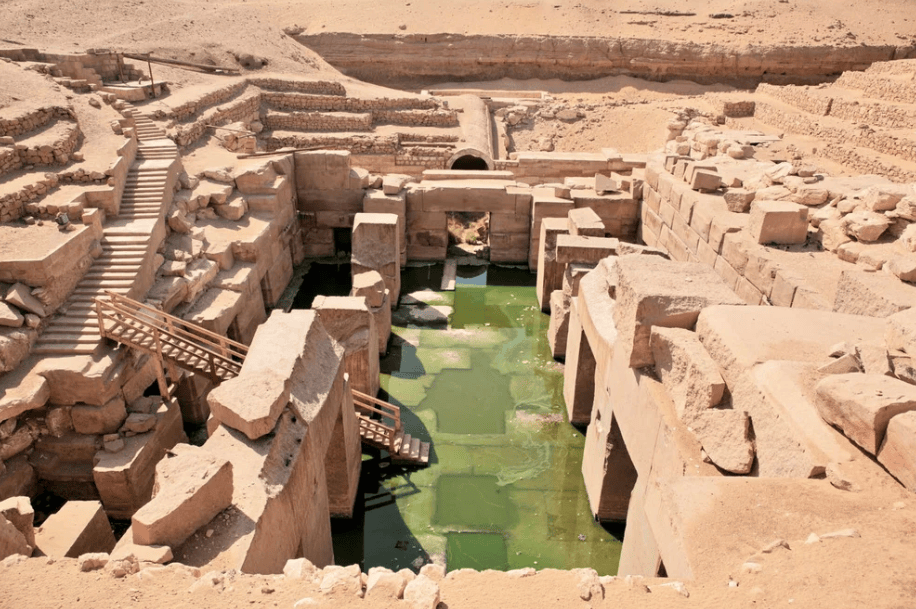
Beyond Giza, operators advertise private openings at Luxor Temple, Karnak and Philae. Special-permission possibilities also include the Osireion at Abydos, Abu Ghurab’s sun temples, and parts of Abusir, including Sahure’s pyramid. Availability depends on the exact arrangement and approvals.
Details
“Private tour,” “early entry,” “restricted-area access,” and “exclusive opening” are different products. Your own guide doesn’t mean your own monument. Even an authorized private opening may be shared with the operator’s other guests. Know before you go and confirm with your tour operator (or, even easier, ask your Travel Advisor to arrange and confirm it all for you.)
Before paying, get these details in writing:
- Exact monument, rooms and permitted areas.
- Entry time, duration and group size.
- Whether anyone outside your party will attend.
- Total price, photography rules and permit status.
- Cancellation and refund terms if access changes.
That last point matters: some published private-opening bookings require non-refundable payment once confirmed.
My verdict
You should prioritize exclusivity only when the specific experience justifies the premium. A well-guided public visit with an experienced Egyptologist with carefully chosen tomb upgrades can still be unforgettable.
My Personal Wish List and Summary
- Osireion at Abydos: Number one and my To Visit list. You may be able to obtain special permission to descend into this normally restricted structure. Ask specifically for Osireion access – not merely a private tour of Abydos’s main temple.
- Abu Ghurab sun temples, near Cairo: Specialist operators arrange visits requiring advance permission from the antiquities authorities. This is restricted-site entry; it does not necessarily mean your party has exclusive use.
- Abusir necropolis and the Pyramid of Sahure: You may be able to confirm special-permission visits, including entry to Sahure’s pyramid and an encounter with the archaeological mission. These are specific arranged experiences, not ordinary admission tickets.
- Selected tombs and mastabas at Saqqara: Operators advertise requests for restricted areas, but the exact tomb or structure must be named and approved individually. A blanket promise of “private Saqqara access” is too vague.
- The Lost Golden City near Luxor: Archaeological Paths advertises special-permission entry to this active excavation site as part of its Royal Egypt itinerary. That does not establish that it is independently bookable for every traveler or date.
Which would I prioritize for visitors new to Egypt?
For an atmospheric, crowd-free experience, I would shortlist the Great Pyramid so you can experience it with as few other visitors as possible. For access that genuinely differs from a normal sightseeing itinerary, I would investigate the Osireion, Abu Ghurab or Abusir/Sahure.
And I’d always choose to leave as early as possible to get to any sites right as they open (or a little before), but you’ve got to be okay with early wake up times!


Leave a Reply